Hair Loss & Thinning Hair Treatment in Vancouver
Thinning hair rarely happens overnight. It shows up gradually — a widening part, more hair in the brush, a scalp that is becoming visible under bright light — and because it is gradual, many people wait longer than they need to before looking at options. The most important thing to understand about hair restoration is that treatments work by supporting the follicles that are still there: strengthening existing hair, reducing shedding and improving the quality of what grows. Hair that has been gone for a long time, from follicles that are no longer active, does not regrow — and any clinic that promises otherwise is overselling. At Aurora 80 Aesthetics, hair treatment begins with an honest assessment of which category you are in.
What causes it
- Genetics: Pattern hair loss — in both men and women — is the most common cause. Follicles gradually miniaturise, producing finer, shorter hair until they stop producing visible hair at all.
- Hormonal changes: Pregnancy and postpartum shifts, menopause, thyroid changes and other hormonal events can trigger significant shedding or thinning.
- Stress and illness: Major stress, illness, surgery or rapid weight loss can push many follicles into a shedding phase at once (telogen effluvium), usually a few months after the event.
- Hairstyling and scalp health: Tight hairstyles, harsh chemical treatments and neglected scalp conditions can contribute to breakage and loss over time.
Treatments that help
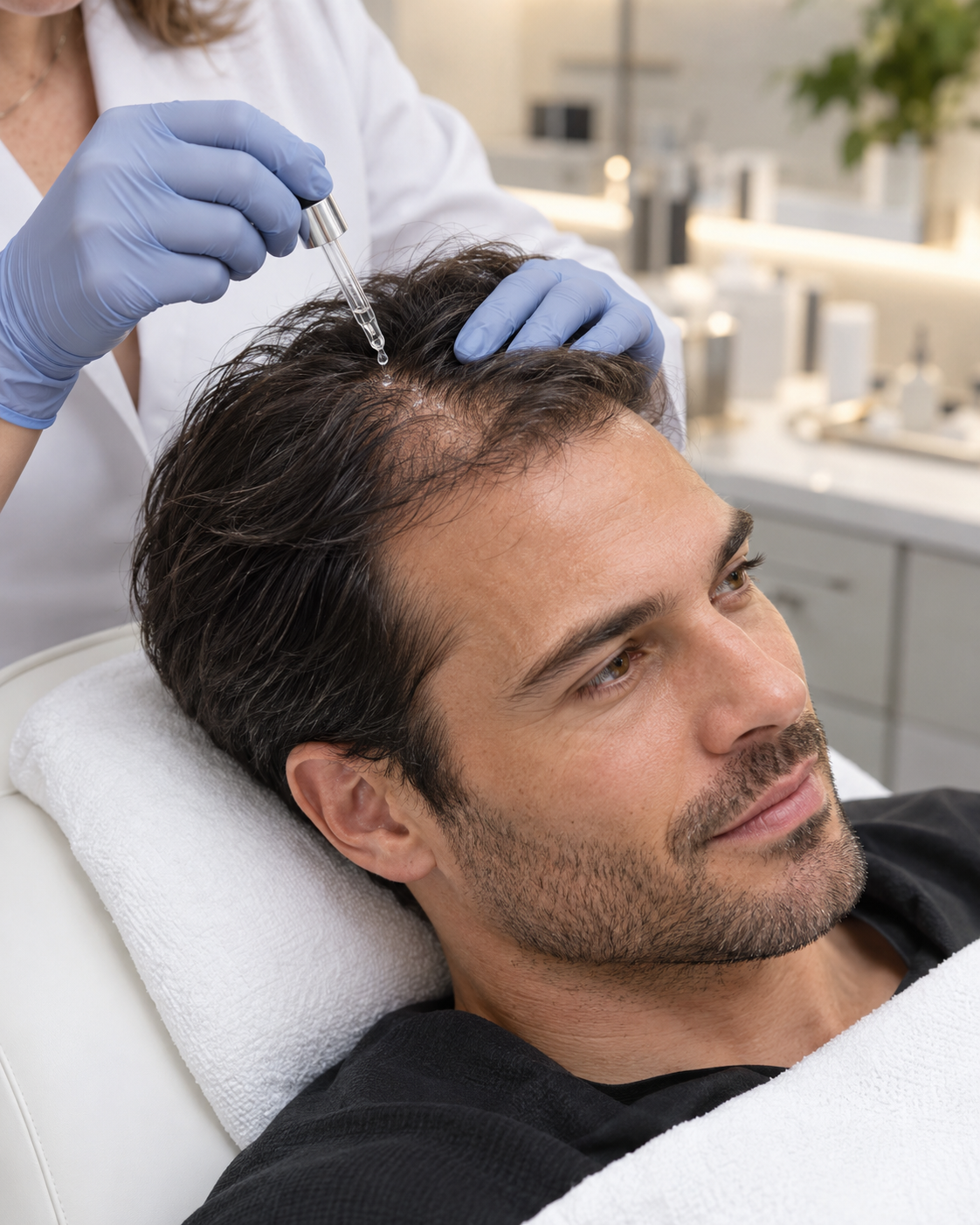
- PRP hair restoration: Platelet-rich plasma, prepared from a small sample of your own blood, is placed into the scalp to deliver concentrated growth factors around the hair follicles. It is used to support the follicles that remain active — reducing shedding and improving the thickness and quality of existing hair across a series of sessions.
- Exosome hair restoration: Exosomes are cell-signalling particles used to support follicle function and scalp health. They can be used on their own or alongside PRP as part of a hair restoration plan.
- Aura 3D skin analysis: Imaging that can document scalp and hair condition at baseline, so gradual change across a treatment series — which is slow by nature — can be tracked rather than judged from memory.
Frequently asked questions
Will PRP regrow hair I have already lost?
No. PRP and exosomes strengthen the hair and follicles that are still present — clients typically notice less shedding and hair that feels and looks fuller. Areas where follicles have been inactive for a long time do not regrow hair with these treatments. Your assessment will be honest about which situation you are in.
How many sessions does hair treatment take?
A full course is typically three to six sessions, spaced several weeks apart, with maintenance sessions afterwards. Hair grows slowly, so results are assessed over months, not weeks.
Does scalp PRP hurt?
The scalp is sensitive, and numbing is used to keep the appointment manageable. Most clients describe it as uncomfortable in places rather than painful, and the appointment itself is relatively short.
How soon will I notice a difference?
Usually the first change is reduced shedding, within the first few sessions. Improvements in thickness and coverage develop gradually over three to six months as the hair growth cycle responds.
Should I have my hair loss checked medically?
Sudden, patchy or rapidly progressing loss — or loss with scalp symptoms — should be assessed by a doctor, as it can signal thyroid, iron or autoimmune issues. We will recommend that route if your pattern suggests it. Cosmetic treatment works best on the common, gradual pattern of thinning.
Book a hair consultation at Aurora 80 Aesthetics in Coal Harbour. We will assess your thinning honestly — including whether treatment is likely to help in your case — before recommending a course. Book online: https://aurora80aesthetics.janeapp.com
