
Chemical Peel
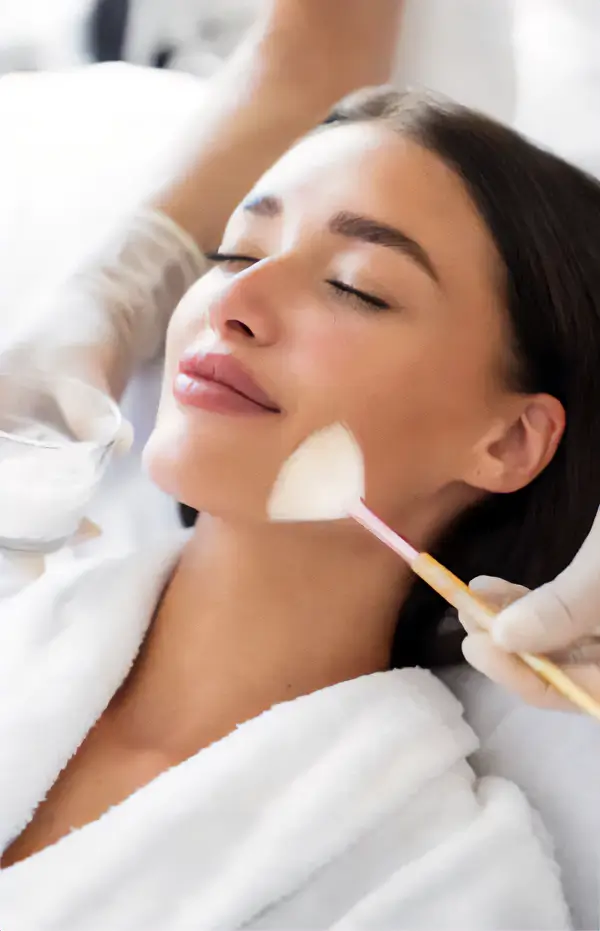
Chemical peels are skin-resurfacing treatments that use a chemical solution to exfoliate the outer layers of skin, revealing healthier, smoother, and more radiant skin underneath. They are popular in medical aesthetics for improving skin texture, tone, and clarity and for addressing a variety of skin concerns.
Testimonials
My skin has never felt this smooth and radiant. Thank you for the amazing care!
The team is professional and friendly. Highly recommend their treatments!
Absolutely love the results! My confidence is at an all-time high.
Exceptional service and noticeable results. I’ll be coming back for sure!
Finally found a clinic that understands my skin. Thank you so much!
Great experience! Very knowledgeable, and the results speak for themselves.
I’ve been getting compliments non-stop. The best decision I ever made!
My skin feels healthier and refreshed. Wonderful services at aurora 80!
Highly professional and caring. I’m so happy with my glowing skin!
Description
How Chemical Peels Work
- Application of Chemical Solution: A solution containing acids or enzymes is applied to the skin.
- Exfoliation: The solution causes controlled damage to the outer layers of the skin, which then peel off over several days.
- Regeneration: The body’s natural healing process generates new skin cells and collagen, leading to smoother, more youthful-looking skin.
Types of Chemical Peels
Chemical peels are classified based on their depth of penetration:
- Superficial Peels:
- Active Ingredients: Alpha Hydroxy Acids (AHAs) like glycolic or lactic acid, Beta Hydroxy Acids (BHAs) like salicylic acid.
- Targets: Mild acne, dullness, fine lines, and minor discoloration.
- Recovery: Minimal downtime; mild redness or peeling for 1–3 days.
- Medium Peels:
- Active Ingredients: Trichloroacetic Acid (TCA) or stronger concentrations of glycolic acid.
- Targets: Deeper wrinkles, sun damage, pigmentation, and mild scars.
- Recovery: Peeling and redness for 5–7 days.
- Deep Peels:
- Active Ingredients: Phenol or high-concentration TCA.
- Targets: Severe wrinkles, deep scars, and significant sun damage.
- Recovery: Requires up to 2 weeks or more; performed under medical supervision.
Benefits of Chemical Peels
- Exfoliates Dead Skin: Promotes cell turnover, leaving skin smooth and refreshed.
- Brightens Skin: Reduces dullness and uneven skin tone.
- Minimizes Fine Lines and Wrinkles: Stimulates collagen production for firmer skin.
- Improves Acne and Scars: Reduces active acne and diminishes acne scars over time.
- Treats Hyperpigmentation: Lightens dark spots, melasma, and sun damage.
- Shrinks Pores: Improves overall skin texture and reduces pore size.
Common Uses
- Dull or uneven skin tone.
- Fine lines and wrinkles.
- Acne and post-inflammatory hyperpigmentation.
- Melasma or sunspots.
- Rough texture or large pores.
- Mild scars.
Treatment Process
- Consultation:
- A professional evaluates your skin type, concerns, and goals.
- Pre-treatment preparation (e.g., avoiding certain products or sun exposure) may be advised.
- Application:
- The chemical solution is applied evenly to the skin.
- The solution is left on for a specific duration based on the peel’s strength.
- Neutralization:
- The solution is neutralized (if required) and removed.
- Post-treatment products are applied to soothe and protect the skin.
- Duration: The procedure typically takes 30–60 minutes.
Recovery and Aftercare
- Superficial Peels: Mild redness and flaking for a few days.
- Medium Peels: Peeling, redness, and sensitivity for up to a week.
- Deep Peels: More intensive peeling and recovery for 2+ weeks.
- Post-Treatment Care:
- Use gentle cleansers and moisturizers.
- Avoid sun exposure and wear sunscreen daily.
- Do not pick or peel flaking skin.
Ideal Candidates
Chemical peels are suitable for most skin types, but they work best for individuals with:
- Mild to moderate skin concerns.
- Realistic expectations for gradual, cumulative results.
- No active infections, open wounds, or extreme skin sensitivity.
Risks and Considerations
- Temporary Side Effects: Redness, peeling, or dryness.
- Rare Risks: Hyperpigmentation, scarring, or infection (most common with deep peels or improper care).
- Professional Guidance: Always have peels performed by a licensed aesthetician or medical professional.
Our peels
- Vivier Lunchtime Glow Peel
- Jessner Deeper Peel
- Back Chemical Peel
Vivier Skin Care Facial With Dermaplaning
Combining a Vivier Skin Care facial with dermaplaning offers a comprehensive approach to skin rejuvenation, enhancing both the efficacy of the products and the overall results. Vivier Skin Care is a premium pharmaceutical line known for its innovative formulations that prepare, target, moisturize, and protect the skin. Their products are designed to address various skin concerns, including aging, pigmentation, and acne, by utilizing high-quality ingredients like vitamin C, peptides, and antioxidants.
Dermaplaning is a non-invasive exfoliation technique that gently removes the outermost layer of dead skin cells and fine vellus hair (peach fuzz) using a sterile surgical scalpel. This process reveals a smoother, brighter complexion and enhances the absorption of skincare products, making them more effective. By performing dermaplaning before a Vivier facial, the skin is better prepared to absorb the active ingredients in Vivier products, maximizing their benefits. This combination can lead to improved skin texture, increased radiance, and a more youthful appearance.
It’s essential to consult with a licensed skincare professional to determine if this treatment combination is suitable for your skin type and concerns. We can tailor the procedure to your specific needs, ensuring optimal results and minimizing potential risks.
Our chemical peels gently exfoliate to improve fine lines, acne, pigmentation, and overall texture—leaving you with a refreshed, youthful glow. We offer package pricing for 3 and 6 sessions. Ask us about the best option for your skin during your consultation.
